


Build the App Your Chicago Business Actually Needs
Chicago businesses lose customers every day to competitors with better digital tools. A custom app gives your customers a faster, easier way to work with you — on their phone, on their schedule.
This page covers app development in Chicago: what we build, who it's for, and how the process works. We serve businesses across the city, from solo founders to established teams ready to grow.
We're a marketing agency. That means your app gets built with your growth strategy already inside it — not bolted on after.
Faster
Access
Give customers a quick and simple way to book, order, or contact you directly from their phone without delays.
Increased
Retention
Features like push notifications and saved preferences keep users coming back instead of forgetting about your business.
More
Revenue
Built-in payments, subscriptions, and offers make it easier for customers to spend and return again.

Stronger
Control
A custom-built app gives you full control over features, data, and how your business runs as it grows.
Free App Builders Have Real Limits — Here's What They Can't Do
Many Chicago business owners start with a free builder. That makes sense. You want to test the idea before spending money.
Free tools work for simple display apps — a basic menu, a contact page, a photo gallery. The moment you need custom booking logic, loyalty tracking, or a connection to your POS system, free builders hit a wall.
Here’s where they break down:
• Features you actually need sit behind paid upgrades
• No-code tools can’t handle custom APIs or third-party integrations
• You don’t own the underlying code — that matters when you scale or sell
• Rebuilding later costs more than building right the first time
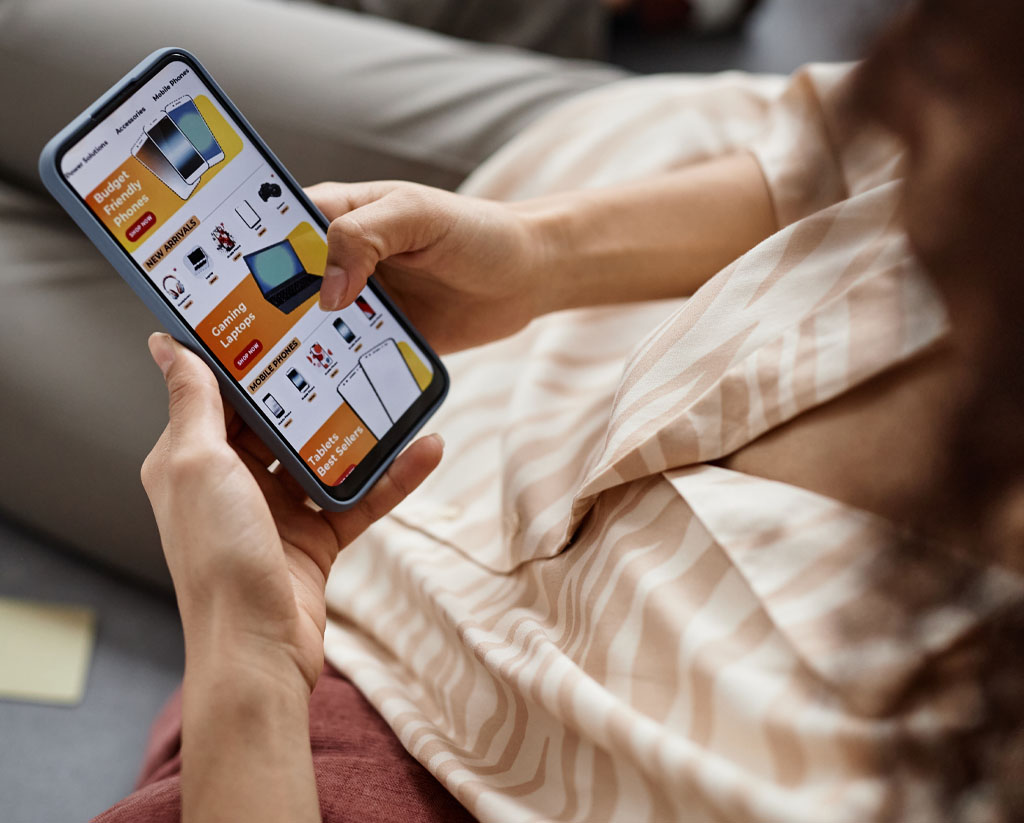
Chicago food, retail, and service businesses almost always need logic that free tools can’t support. If your app needs to do something, a real build is the faster path.
Apps That Earn Revenue Use These Core Features
Not every app makes money. The ones that do share a short list of features that most developers skip or rush.
River North and West Loop founders building subscription or marketplace apps face different feature decisions than a Wicker Park retailer adding a loyalty program. Revenue model shapes everything.
These are the features that drive real returns:
- In-app purchases and subscription flows that convert and retain
- Push notifications timed to bring users back — not annoy them
- Analytics tied to revenue events, not just download counts
- Seamless checkout and payment integration with low friction at every step
- Retention hooks — rewards, saved preferences, streaks — that keep users opening the app
Build these in from the start. Adding them later is expensive and messy.
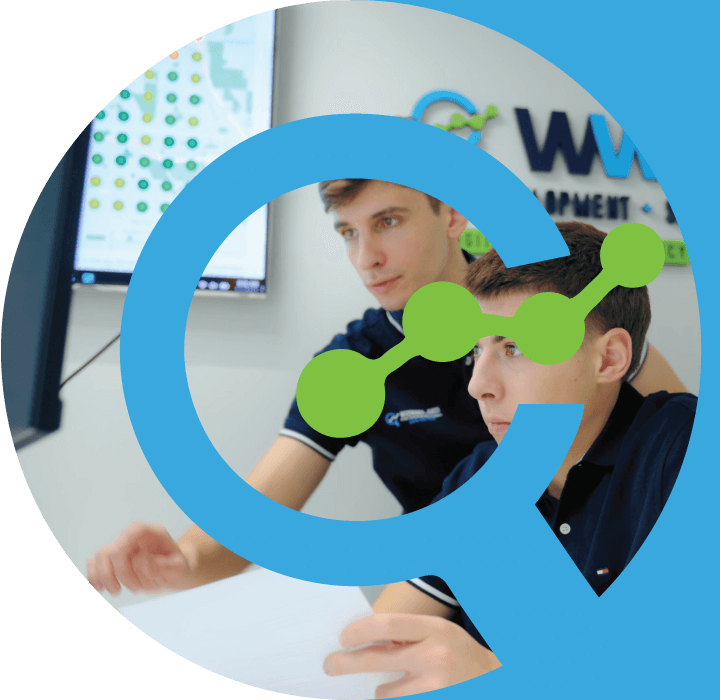
Built to drive real business growth
Turn Your App Into a Growth Tool
Your app should do more than just exist — it should bring in customers and keep them coming back. If you’re ready to build something that actually supports your business and not just looks good, let’s talk and map out the next step.
What to Have Ready Before Your Chicago App Project Starts
The fastest app projects in Chicago start with owners who showed up prepared. A short checklist before your first meeting saves weeks.
Illinois businesses need a registered entity before app stores will accept a developer account. An LLC or corporation registered with the state is the standard move. Your EIN comes with it.
Bring these to your kickoff:
- A registered Illinois LLC or corporation (required for Apple and Google developer accounts)
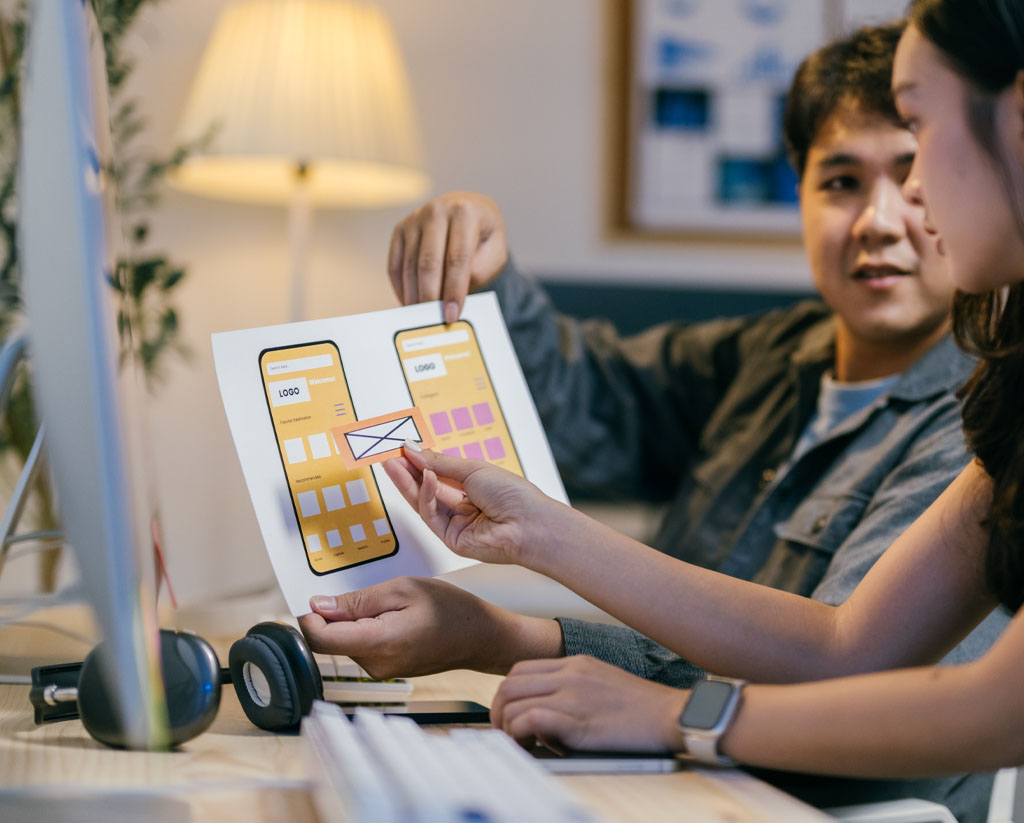
- A written description or rough wireframe of what the app should do
- A list of tools your app must connect to — POS, CRM, booking calendar
- Apple Developer and Google Play accounts (we can help you set these up)
- Domain and hosting decisions if the app ties to a website
You don’t need everything perfect. You need enough to move.
How the App Build Process Works, Step by Step
You should know exactly what happens between signing off and launching. There are no mystery phases here.
Chicago project timelines account for real business cycles — Q4 retail pressure, summer event seasons, and the timing that matters to your customers.
Here is how every project runs:
- Discovery call — we map your goals, your users, and your must-have features
- Scope and wireframes — you approve the blueprint before a line of code is written
- UI design and feedback — you see what the app looks like and request changes
- Development sprints — we build in stages with regular check-ins, not radio silence
- QA testing on real devices — iOS and Android, not just a simulator
- App store submission and launch support — we stay with you through go-live
Each phase has a clear deliverable. You always know where the project stands.
How to Know Your App Is Ready to Launch
Launch anxiety is common. The fix is a checklist, not a gut feeling.
Pilsen and Bridgeport business owners often run a soft launch with a trusted local group first — real users, real feedback, before the public sees it. That step catches more than any internal test will.
Before any app we build goes live, every item on this list is confirmed:
• All core user flows tested on both iOS and Android
• Payment connections and data integrations confirmed live — not just staged
• App store listing complete: copy, screenshots, metadata, and category
• Analytics firing correctly on every key revenue event
• A support contact and user feedback channel are live and monitored
If one item is open, the app does not ship. That protects your review score from day one.
FAQs
Can a free app builder handle what my Chicago business needs?
Free builders work for simple display apps, but they break down fast when you need custom booking logic, payment flows, or integrations with your existing tools — which most Chicago service, retail, and food businesses require.
What type of app is most likely to make money?
Subscription, marketplace, and service-booking apps have the strongest revenue track records. The feature set matters more than the category — in-app purchases, push notifications, and retention tools are what separate apps that earn from apps that sit idle.
Do I need an LLC before starting my app project in Chicago?
Yes. Apple and Google both require a registered business entity to publish apps in their stores. An Illinois LLC is the standard setup, and your EIN comes with it. We walk you through account creation as part of onboarding.
How long does a typical Chicago app project take?
Simple apps with a clear scope run eight to twelve weeks. Complex builds with multiple integrations run sixteen to twenty-four weeks. Scope changes mid-project are the most common reason timelines stretch.
What happens if my app breaks after launch?
A maintenance agreement covers bug fixes, OS updates, and integration patches after launch. Before any project closes, confirm in writing what is covered, for how long, and what triggers a new statement of work.
Can your marketing agency handle both the app and the campaigns to promote it?
Yes. Because we’re a marketing agency, your app and your launch strategy get built at the same time. By the time the app goes live, the campaigns, the SEO groundwork, and the tracking are already in place.