



Ecommerce SEO
Did you know that websites with high search engine rankings enjoy the greatest trust among internet users? This is especially important for online stores, hence the crucial importance of proper SEO.

Ecommerce SEO in Chicago: Grow Your Online Store With Local Search Experts
Ecommerce SEO in Chicago is how your product pages stop getting buried and start getting found. Chicago online stores compete in one of the most active retail markets in the Midwest. Ranking on Google means real shoppers reach your store before they reach your competitor's.
This page covers how ecommerce SEO works, who it helps, and what you can expect working with our team. We are a Marketing Agency based in the Chicago area. We help online stores build organic search visibility that keeps producing results over time. If you are ready to grow your store's traffic without paying for every click, reach out and we will walk you through where to start.
More
Traffic
Optimized product pages and category listings bring shoppers directly to your store when they search for what you sell.

Higher
Conversions
Clear product descriptions, reviews, and structured data make it easier for visitors to trust your store and complete purchases.

Better
Visibility
Technical SEO, fast site speed, and mobile optimization help your ecommerce site appear at the top of search results.

Long-Term
Growth
Ongoing SEO work builds authority over time, increasing sales, repeat customers, and overall online presence without constant paid ads.

Ecommerce SEO Is Evolving Fast — Here's What Still Works in 2026
Chicago online stores cannot afford to ignore what changed in search. Google now surfaces AI-generated summaries above standard results. That shift changed how shoppers interact with search pages. But the stores ranking inside those summaries share one thing: a strong, consistent SEO foundation.
The core signals still hold. Pages with clear structure, original product descriptions, and quality backlinks still outrank thin, duplicated content. What changed is the bar. Google rewards depth and authority more than it did three years ago.
What still drives ecommerce rankings in 2026:
• Original, specific product and category page content
• Fast, mobile-ready site performance
• Consistent backlink growth from relevant sources
• Structured data that helps Google read your pages
If your Chicago store invested in SEO and then stopped, now is the right time to reassess. Contact us for a quick look at where your store stands today.
You Can Start SEO Yourself, But Scaling It Requires a System
Wicker Park boutique owners and Logan Square independent brands often handle early SEO themselves. That makes sense. Writing a title tag or adding a meta description is something any store owner can do. Starting there builds good instincts.
The gap appears when your catalog grows. Managing hundreds of product pages, finding and fixing technical errors, and building links at scale takes tools, time, and process most store owners do not have spare.
Here is where the line usually falls:
- Doable solo: Basic keyword research, page titles, meta descriptions, image alt text
- Harder to scale alone: Technical audits, crawl error fixes, link building, schema markup
- Requires a system: Consistent content publishing, rank tracking, competitive monitoring
If you have hit that wall, our team can take over the technical and strategic side. You stay focused on running the store.
Know what growth and warning signs look like
How to Know If Your Ecommerce SEO Is Working
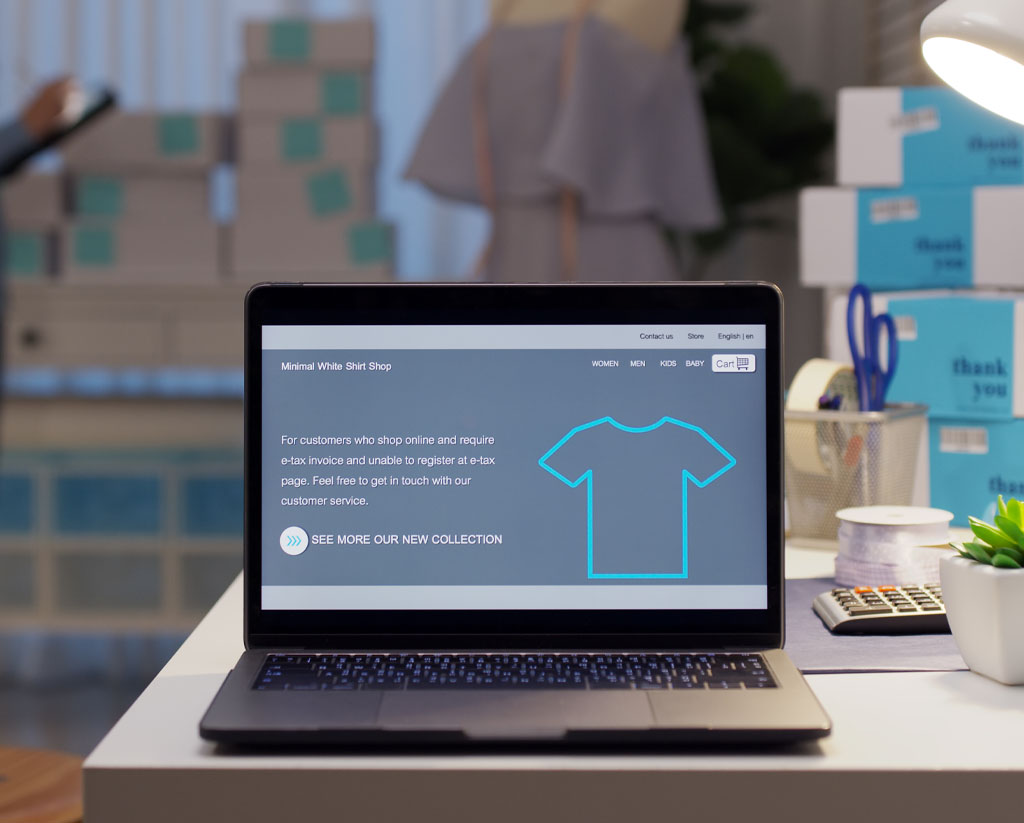
Track Google Search Console for indexed pages, errors, and keyword impressions. SEO is working if organic sessions, top-10 keyword rankings, and organic revenue grow. Watch for sudden ranking drops, missing pages, or falling organic traffic.
AI Tools Like ChatGPT Help With SEO Tasks, But Don't Replace Strategy
AI writing tools are useful. They help produce drafts faster and brainstorm content angles for product categories.
Chicago’s wholesale and B2B ecommerce sector especially benefits from faster content production across large product lines. But speed is not strategy.
ChatGPT cannot crawl your site and find indexing problems. It cannot review your backlink profile or tell you why a category page dropped in rankings last month. Those tasks require data, tools, and someone who reads the results and makes decisions.
Best use of AI in ecommerce SEO:
- Drafting and editing product descriptions at volume
- Generating meta description variations for testing
- Brainstorming blog topics around product categories
What AI cannot replace:
- Keyword research tied to real search volume data
- Technical site audits and error resolution
- Competitive gap analysis
- Link building outreach and vetting
We use AI tools where they save time. We apply human judgment everywhere it matters. If you want a team that runs both well, get in touch.
How AI Is Changing Ecommerce SEO — And What Chicago Stores Must Do Now
River North tech-forward brands are already watching this shift closely. AI Overviews on Google now answer shopper questions directly in the results page.
If your store’s content is not structured for that format, you are invisible in those placements.
This does not mean keyword rankings no longer matter. It means the content sitting behind those keywords must be thorough, accurate, and structured so Google can extract it cleanly.
Four things Chicago ecommerce stores should act on now:
- Add structured data (schema) to product and category pages
- Build content clusters around product categories, not just single pages
- Strengthen brand authority signals — reviews, citations, consistent NAP
- Write product and FAQ content that directly answers shopper questions
These are not future-proofing tactics. They are what separates stores already appearing in AI summaries from those that are not. Our team handles all four. Reach out to talk about where your store fits.

What Ecommerce SEO Actually Does on Your Website
Many Chicago store owners on Shopify or WooCommerce have sites with technical debt they do not know about. Duplicate content, slow load times, broken internal links — these are common and they quietly suppress rankings. Ecommerce SEO works on the page and under the hood at the same time.
On the surface, we optimize what Google reads: title tags, meta descriptions, headers, and product copy. Below the surface, we fix what slows Google down: crawl errors, page speed issues, and poor internal linking structure.
What ecommerce SEO touches on your website:
• Title tags and meta descriptions — tell Google and shoppers what each page is about
• Product descriptions — must be original; copied manufacturer content hurts rankings
• Site speed and mobile usability — ranking factors, not optional features
• Internal linking — connects product and category pages and spreads authority across the site
• Structured data — helps Google pull your products into rich results and AI summaries
Every one of these affects how often your pages appear and how many shoppers click through.
FAQs
Can I do ecommerce SEO myself as a Chicago store owner?
Yes — the basics are manageable solo, but technical work and link building scale better with a specialist. Most store owners handle early setup well and then hit a ceiling when their catalog or competition grows.
Is SEO still worth it for online stores in 2026?
Yes — organic traffic compounds over time while ad costs keep rising. A Chicago store that builds strong rankings today pays less per visitor next year than one that relies entirely on paid search.
Can ChatGPT handle my store's SEO?
ChatGPT helps with content drafts and meta description variations, but it cannot audit your site, build backlinks, or track ranking changes. It is a useful tool inside a larger strategy, not a replacement for one.
Will AI replace the need for an ecommerce SEO agency in Chicago?
No — AI changes the tools agencies use, not the need for search visibility. Stores still need someone to read the data, fix technical problems, and make strategic decisions based on what is actually happening in search.
What does an ecommerce SEO agency actually do on my website?
We fix technical issues, optimize product and category pages, build quality backlinks, and track rankings and revenue from organic search every month.
How long before my Chicago store sees results from ecommerce SEO?
Most stores see measurable movement in 90 to 120 days with consistent work. Results compound — the longer the work continues, the stronger the returns.